
a blog, revisiting past award winners
EveryBestPicture.com revisits this Oscar Best Picture winner
Knowing something about a film before you go in can skew the effect it has on you. If you haven't seen 'Ordinary People' and are considering watching it sometime soon (maybe as a result of this review, I recommend it) then I would suggest that you do not read on until after you have. This page contains spoilers and you will want to avoid them. 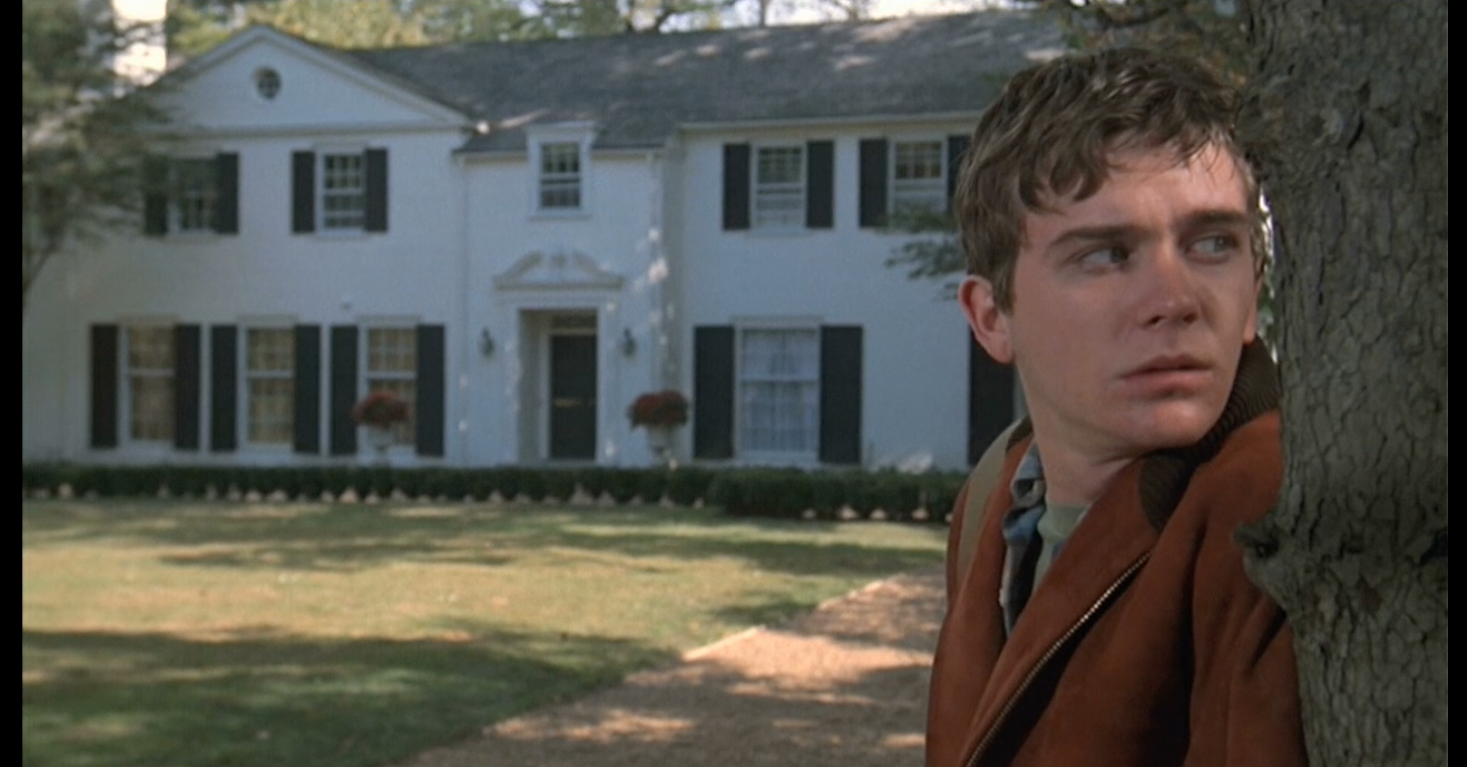 All is not well with this young man, this is clear. This is a film about grief, a family's grief after the loss of their son. The three lead roles are played by Donald Sutherland (Calvin- the father), Mary Tyler Moore (Beth - the mother) & Timothy Hutton (their son Conrad, pictured above). All give performances which appear effortless, with mother and father convincing us that they believe 'all is well' very successfully, but as the film rolls each layer of skin and muscle is peeled away until the raw, bleeding, still beating hearts are revealed beneath. I believe I was a good audience: a seen-it-all-before viewer who knew very little, but just enough, about the movie. I fooled myself into thinking I knew where this might be going. I knew the theme was grief, but what I didn't realise was that the loss had already taken place- that the timeline of the movie begins one year after they lost first son Buck (Scott Doebler). This was due to Sutherland & Tyler Moore's success in convincing the audience that they simply couldn't fathom why their second son was acting up... the audience see Conrad is a troubled soul as he struggles to make it through breakfast, the drive to school, swim practice. So I quickly formed the opinion that he was headed for suicide and the film would be dealing with the resulting grief of his parents who were so blissfully unaware of the depths of his despair. 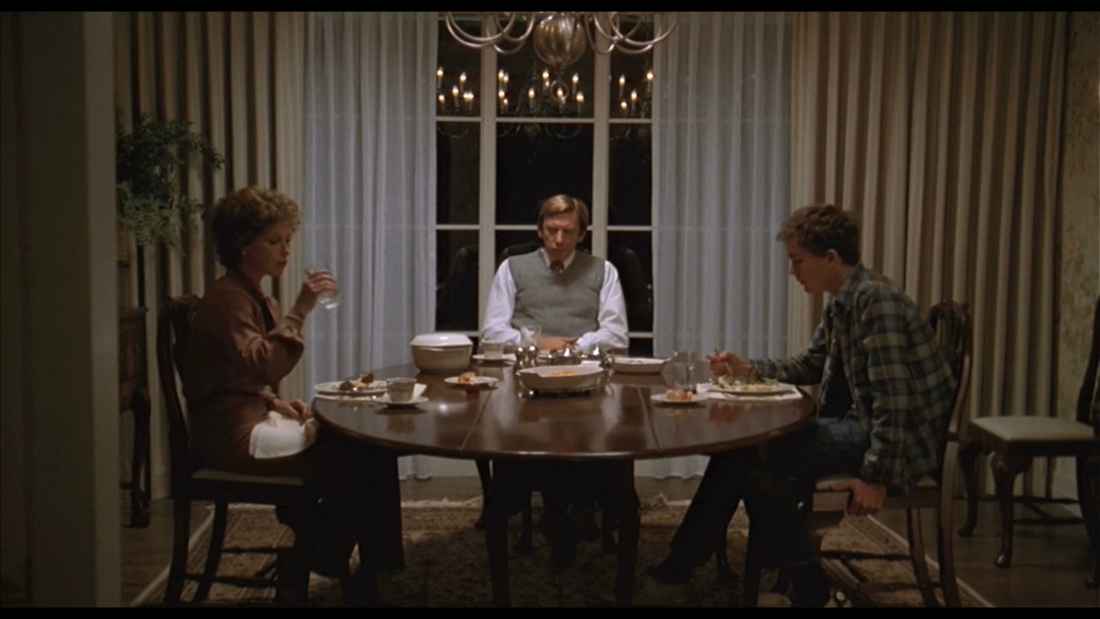 Such a well constructed image- all appears well on the surface- a beautifully set table, a home cooked meal they can all enjoy, material wealth abounds... all the while Conrad is holding on to his chair for dear life. But this film does not deal with suicide. Calvin and Beth are not alright. They want everything to be alright, they want everything to go back to normal and so they fake it. They fake it hard. In public, in private. Just as it is near impossible to read their emotions, it is also impossible to get the full picture. There is a drip, drip, dripping of information... a flashback to what appears to be an upturned boat in a storm - a reference to Conrad being released from hospital a month before - Beth spending time in a room that belongs to someone no longer in the house, showing emotion for the first time... and the drip, drip, drip continues. The tension is ramped up as all three start to acknowledge, in their own ways, that all is not well. Each has a very different way of dealing with it. Interestingly, quite surprisingly, melancholy or sadness are rarely seen. It is a stunning portrait of grief and how it might affect a family. There is no melodrama, there are few tears, the resulting raw emotional energy from having lost a son and brother comes out in conflict, fear and anxiety. 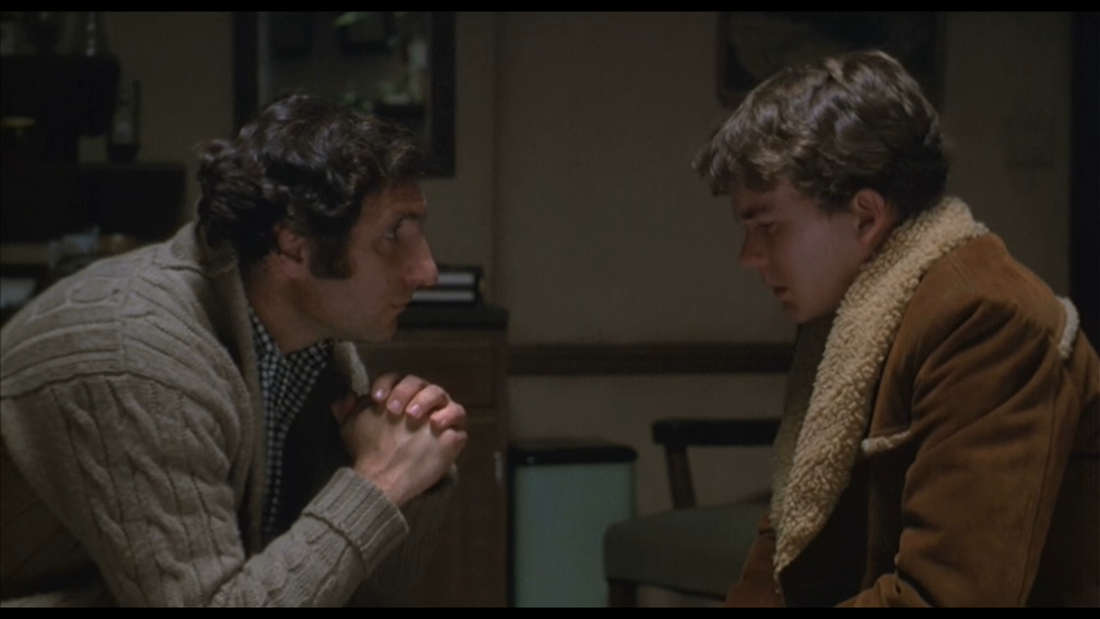 Berger (Judd Hirsch, left) plays a pivotal role as the 'shrink' who enables Conrad to open up The breakdown in communication between the married couple points to how death can destroy the living too. The message is clear, throughout: bottling things up won't help and the more love we can show each other when we are at our lowest ebb the more chance there is that these wounds can be healed. I know that in my own family when someone needs strength their partner is the first port of call, their most likely source of strength. This film so eloquently paints a picture of a family who are all so lost in a fog of grief that they struggle to see each other, worse still they all have a different idea of what they need and what the right thing to do is. The resulting dynamic is tearing them apart. There is no happy ending, they don't just 'get over it', but you get the sense that by the end of the film Conrad and his father might well come out OK. Maybe Beth will be able to find some peace elsewhere, too? It is a satisfying conclusion- we all live with grief once touched by it, very few of us 'get over it'. I am astounded that such a serious, tender, realistic film won the Oscar for Best Picture. There was no bombast, no pretence, all was understated. This is an intellectual and emotional heavyweight of an Oscar winner, I am shattered having watched it, and I suggest that if you have not seen it you seek it out. |
Previous ReviewsComing soon:Archives
February 2019
Categories
All
AuthorPablo Griffiths is a man with a passion for many things. He has recently taken an interest in writing about film, and himself in the third person. |
 RSS Feed
